We study how software changes — then measure it.
EVOL Lab is home to graduate researchers advancing empirical software engineering at UNLV. We run large-scale studies of how codebases, forks, and teams evolve over time, and build tools that put that evidence to work. Mixed methods, open data, reproducible pipelines.
Fig. 1 — Effect size by research question across our last five studies (illustrative). Highlighted bars mark statistically significant, practically meaningful findings.
What we investigate
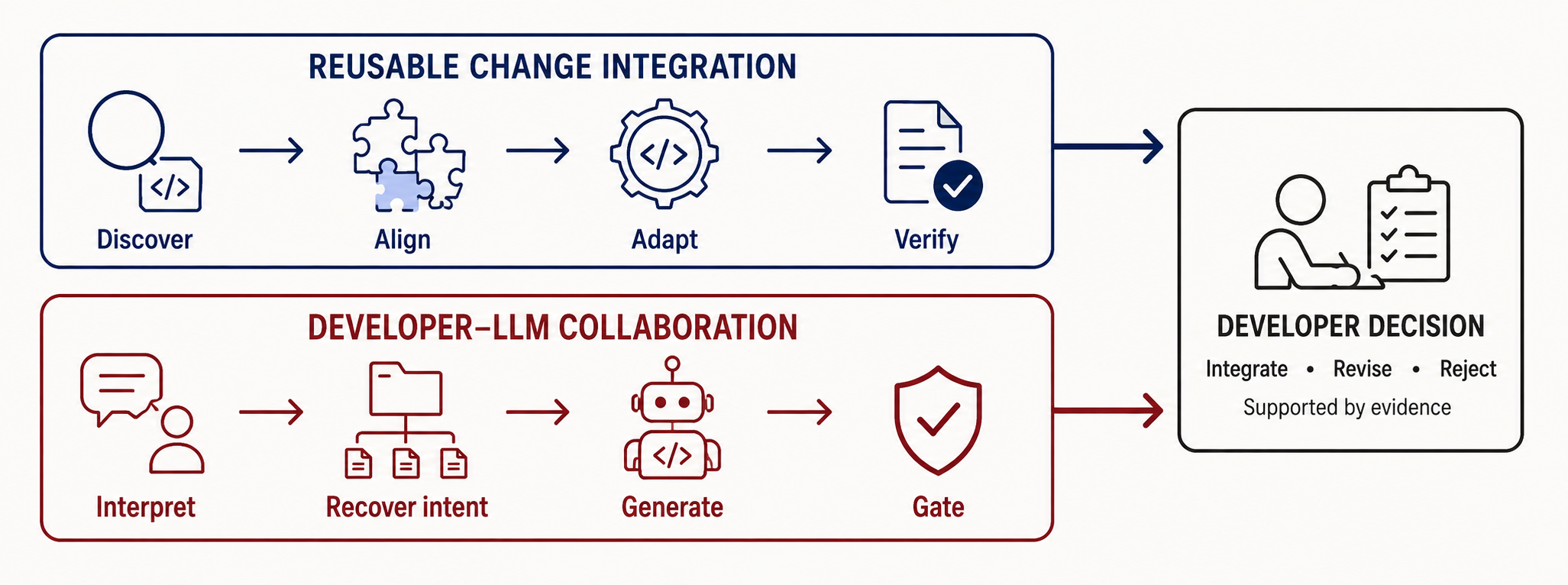
EVOL Lab sits within empirical software engineering, with a focus on how systems, and the communities that build them, change over time. We treat engineering practice as a phenomenon to be measured, not assumed — mining repositories, running controlled experiments with developers, and building tools that put those findings back into practitioners' hands.
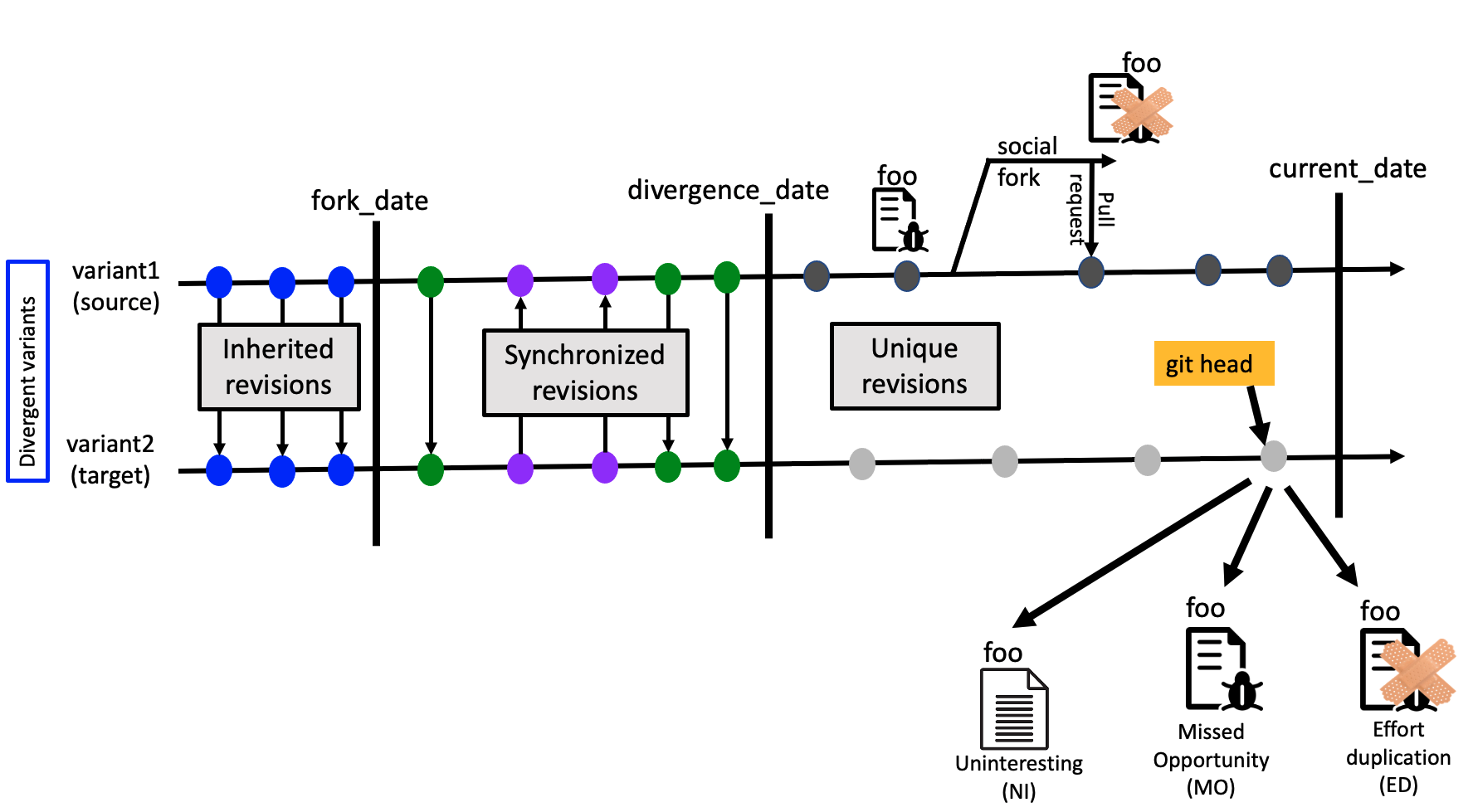
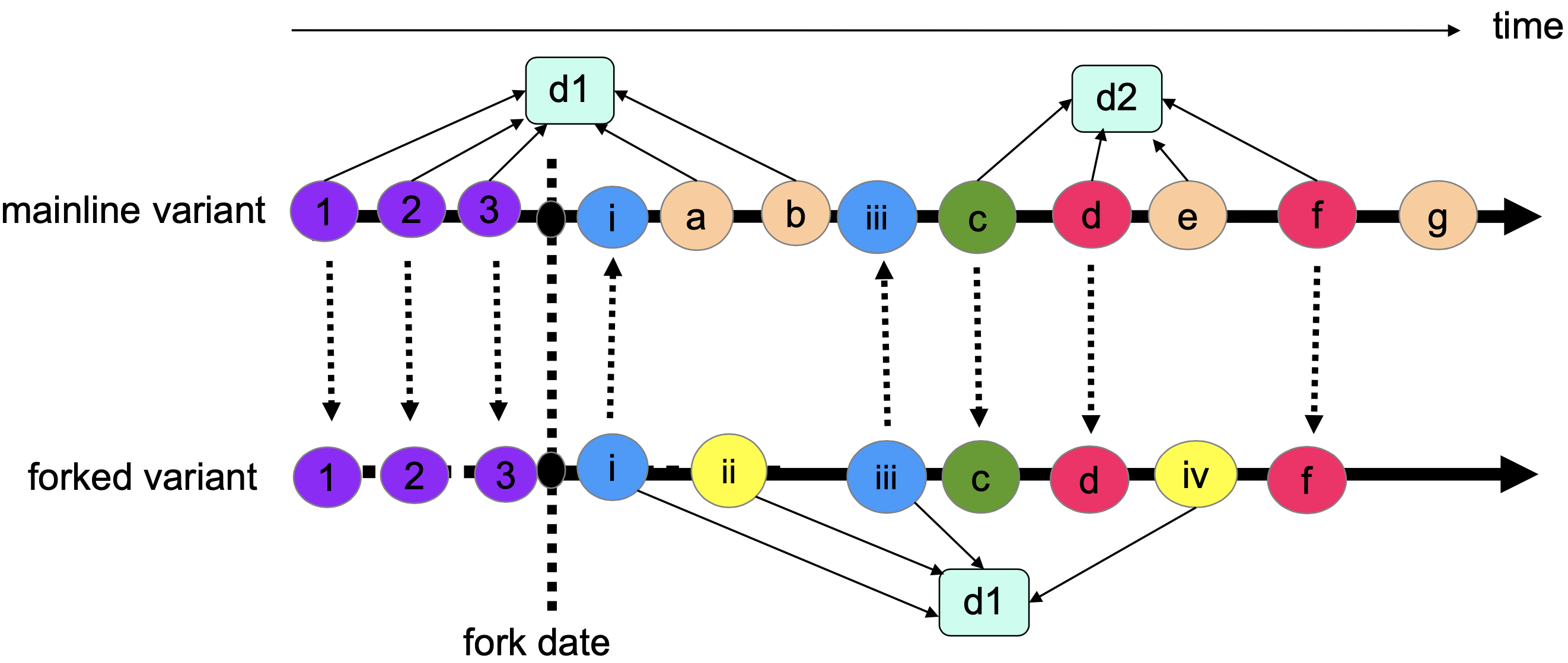
When projects fork and diverge, what gets lost — and what should be shared back?
Studying variant forks and software families to understand why teams diverge, what maintenance work gets duplicated, and where automated tooling could close the gap.
What do code and commit histories reveal about how teams actually collaborate?
Large-scale mining of open-source and industrial repositories to model review dynamics, technical debt accumulation, and knowledge diffusion across contributors.
Can tooling recommend the right code, at the right moment, and help developers integrate it?
Building and evaluating code recommenders — for fixes, refactorings, and tests — that go beyond retrieval to support the harder step of integration.
Recent news
Browse the complete list of lab updates.
View all newsWho's in the lab
Current team
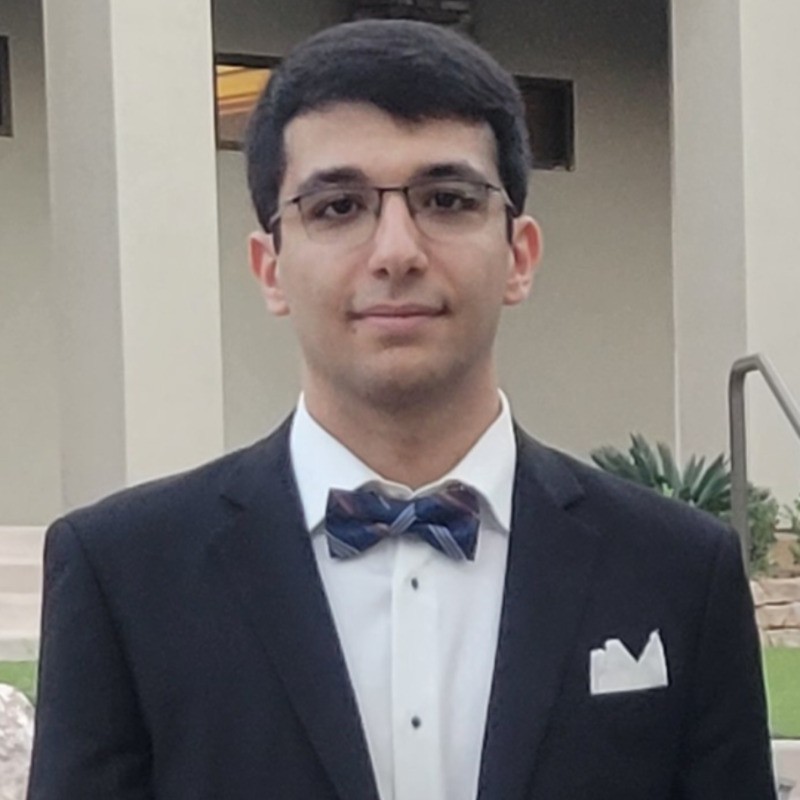
Dr. John Businge
Principal Investigator
Software evolution, code recommenders, empirical methods.
Profile
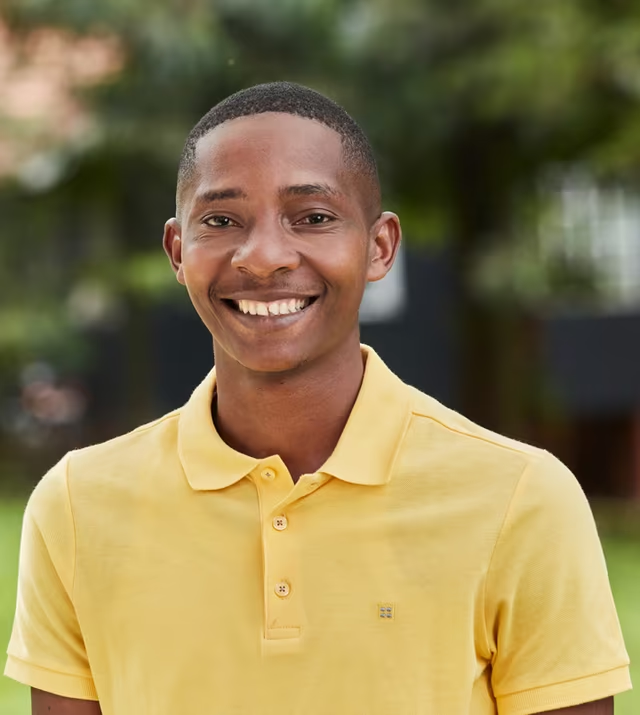
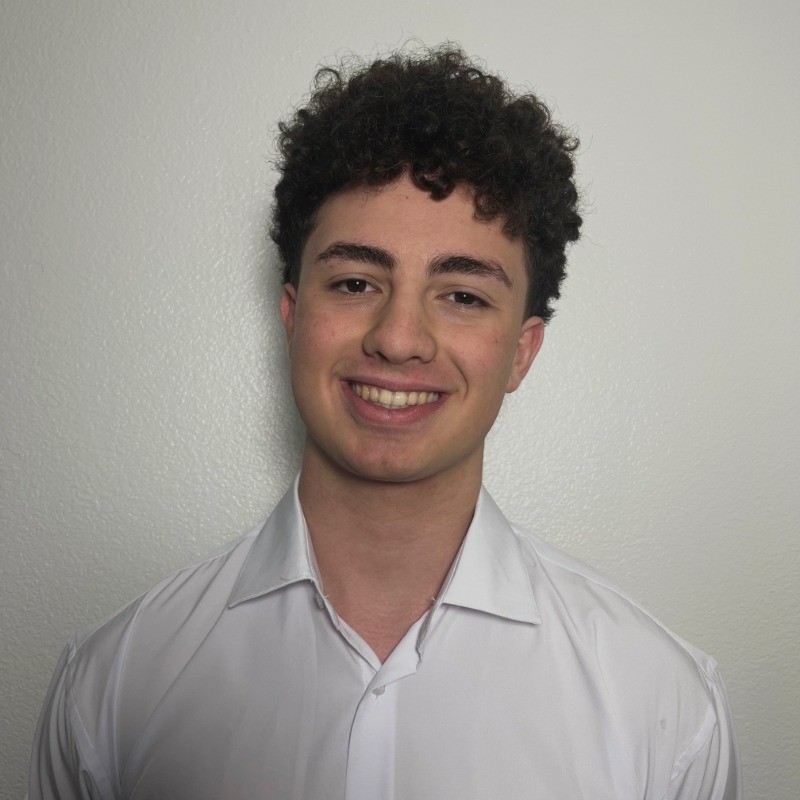
Jorge Gonzalo Delgado Cervantes
PhD Student
Code recommendation, snippet search and integration.
Profile
Alumni
Marcus Tran
PhD '25 → Postdoc, ETH Zürich
Now working on program repair.
Lena Hoffmann
MS '24 → Software Engineer, Google
Thesis on ecosystem-scale fork analysis.
Omar Al-Sayed
MS '23 → PhD student, UC Irvine
Continuing work on code review dynamics.
Selected papers
PatchTrack: A Comprehensive Analysis of ChatGPT's Influence on Pull Request Outcomes
AgenticFlict: A Large-Scale Dataset of Merge Conflicts in AI Coding Agent Pull Requests on GitHub
Structural and Connectivity Patterns in the Maven Central Software Dependency Network
Refactoring-Aware Patch Integration Across Structurally Divergent Java Forks
See the full archive for the remaining publications.
View all publicationsSelected projects
PaReco
A clone-detection tool for mining missed opportunity patches and duplicated maintenance effort across variant forks, with a curated dataset spanning 364 source-to-target pairs.
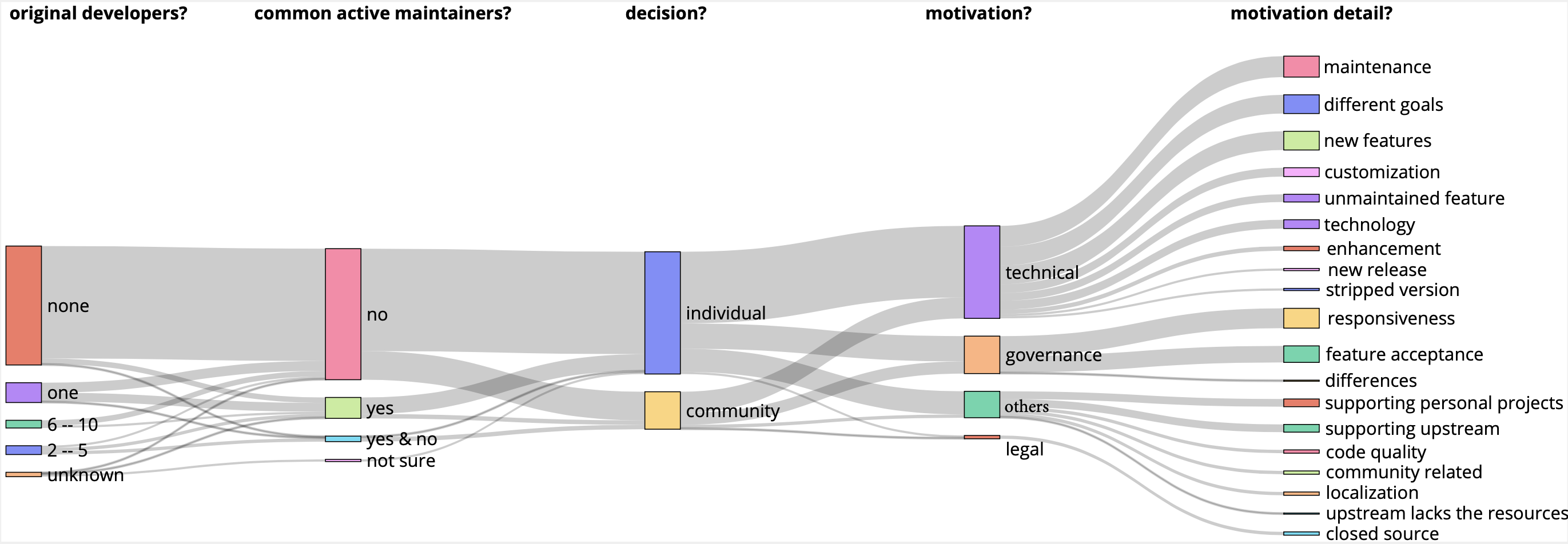
Variant Forks: Motivations and Impediments
An exploratory study of why open-source teams launch and maintain variant forks, grounded in survey data from 105 maintainers of active GitHub projects.
Reuse & Maintenance Practices among Divergent Forks
An ecosystem-scale study of software families across Android, .NET, and JavaScript, examining how divergent forks propagate code and maintain shared ancestry over time.
PatchTrack
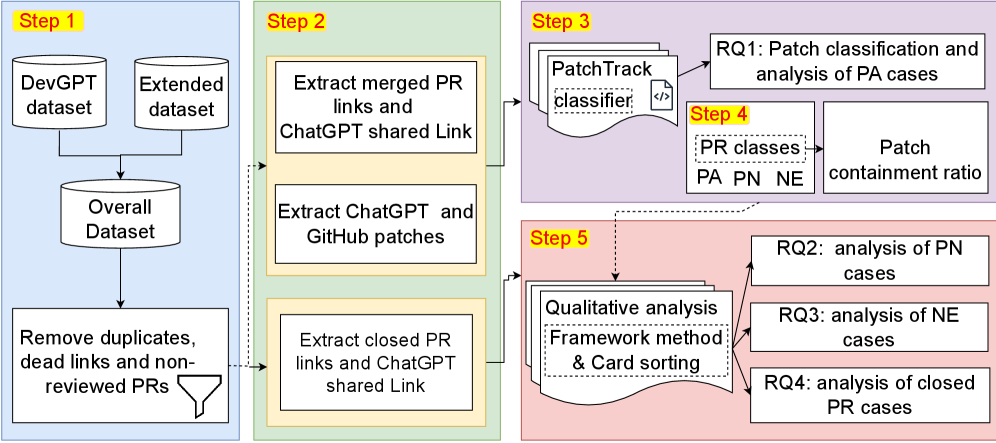
A replication package and analysis tool for studying how ChatGPT-generated patches are adopted, refined, or discarded inside real pull request workflows.
See all active and past EVOL Lab projects, outputs in one place.
Browse all projects